
Beam Shop
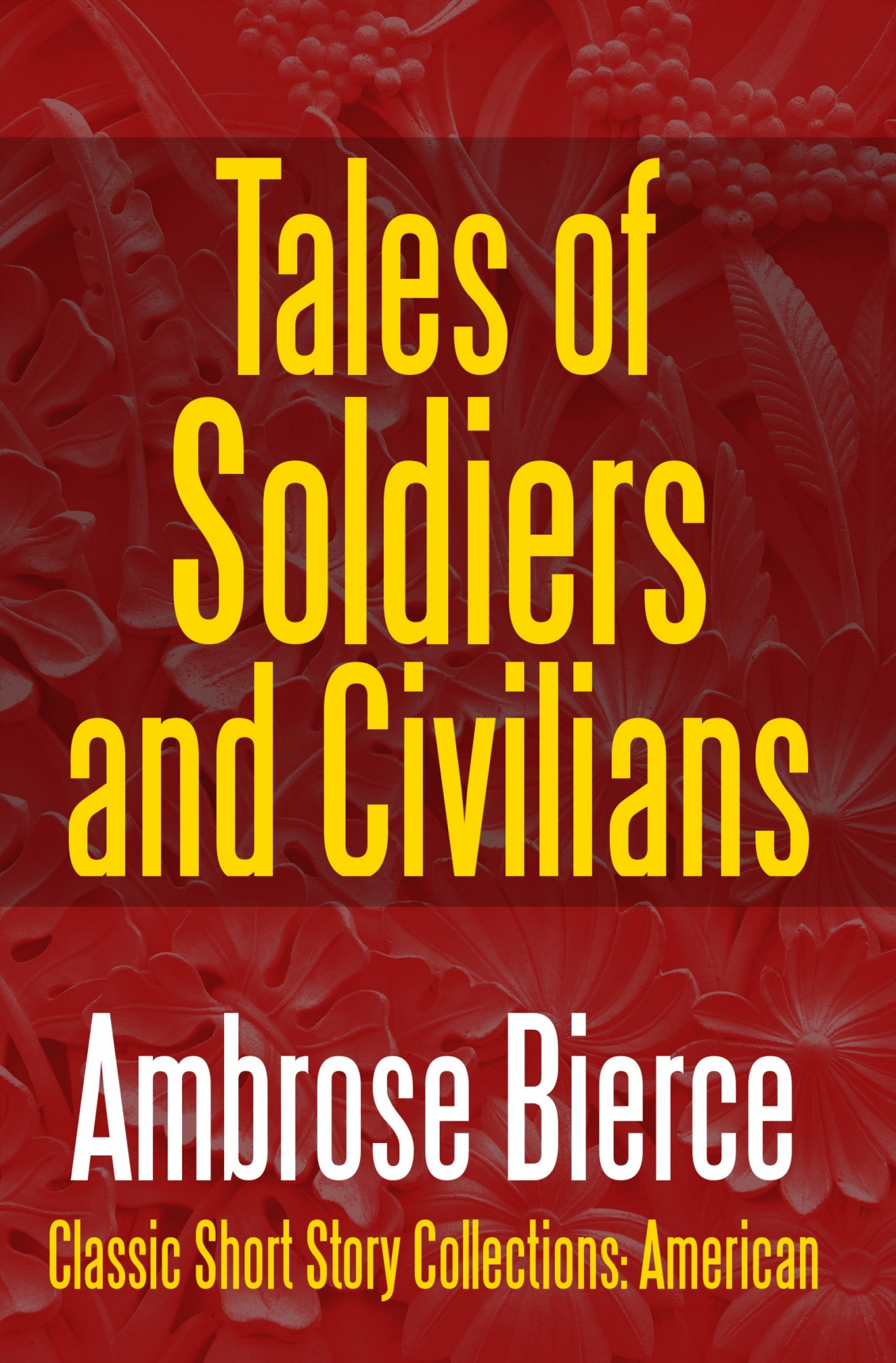
Tales of Soldiers and Civilians
The Collected Works of Ambrose Bierce Vol. II
Bierce edited the twelve volumes of
The Collected Works of Ambrose Bierce
, which were published from 1909 to 1912. The seventh volume consists solely of
The Devil's Dictionary
.
Bierce has been criticized by his contemporaries and later scholars for deliberately pursuing improbability and for his penchant toward "
trick endings
". In his later stories, apparently under the influence of
Maupassant
, Bierce "dedicated himself to shocking the audience", as if his purpose was "to attack the reader's smug intellectual security".
Bierce's bias towards
Naturalism
has also been noted: "The biting, deriding quality of his satire, unbalanced by any compassion for his targets, was often taken as petty meanness, showing contempt for humanity and an intolerance to the point of merciless cruelty".
Stephen Crane
was of the minority of Bierce's contemporaries who valued Bierce's experimental short stories. In his essay "
Supernatural Horror in Literature
",
H. P. Lovecraft
characterized Bierce's fictional work as "grim and savage." Lovecraft goes on to say that nearly all of Bierce's stories are of the
horror genre
and some shine as great examples of
weird fiction
.
Ambrose Gwinnett Bierce
(June 24, 1842 – circa 1914) was an American Civil War soldier, wit, and writer.
Bierce's story
An Occurrence at Owl Creek Bridge
has been described as "one of the most famous and frequently anthologized stories in American literature"; and his book
Tales of Soldiers and Civilians
(also published as
In the Midst of Life
) was named by the
Grolier Club
as one of the 100 most influential American books printed before 1900.
A prolific and versatile writer, Bierce was regarded as one of the most influential journalists in the United States. For his horror writing,
Michael Dirda
ranked him alongside
Edgar Allan Poe
and
H.P. Lovecraft
.” as a pioneering writer of realist fiction. His war stories influenced
Stephen Crane
,
Ernest Hemingway
, and others, and he was considered an influential and feared literary critic. In recent decades Bierce has gained wider respect as a
fabulist
and for his poetry.
In December 1913, Bierce traveled to
Chihuahua
, Mexico, to gain first-hand experience of the
Mexican Revolution
. He disappeared, and was rumored to be traveling with rebel troops. He was never seen again.
His vehemence as a critic, his motto "Nothing matters" and the sardonic view of human nature that informed his work all earned him the nickname "Bitter Bierce". Despite his reputation as a searing critic, Bierce was known to encourage younger writers, including poet George Sterling and fiction writer W. C. Morrow. Bierce employed a distinctive style of writing, especially in his stories. His style often embraces an abrupt beginning, dark imagery, vague references to time, limited descriptions, impossible events and the theme of war.
(from Wikipedia)
Versandkostenfreie Lieferung! (eBook-Download)
Als Sofort-Download verfügbar
- Artikel-Nr.: SW9781387088966450914
Bewerten
Ein Blick ins Buch
- Artikelnummer SW9781387088966450914
-
Autor
Ambrose Bierce
- Verlag Midwest Journal Press NPD
- Seitenzahl 229
- Barrierefreiheit
- Keine Angabe: Keine Informationen zur Barrierefreiheit bereitgestellt
- ISBN 9781387088966
- Verlag Midwest Journal Press NPD