
Beam Shop
A Land Won from Waste
Scotland AD 400–1400
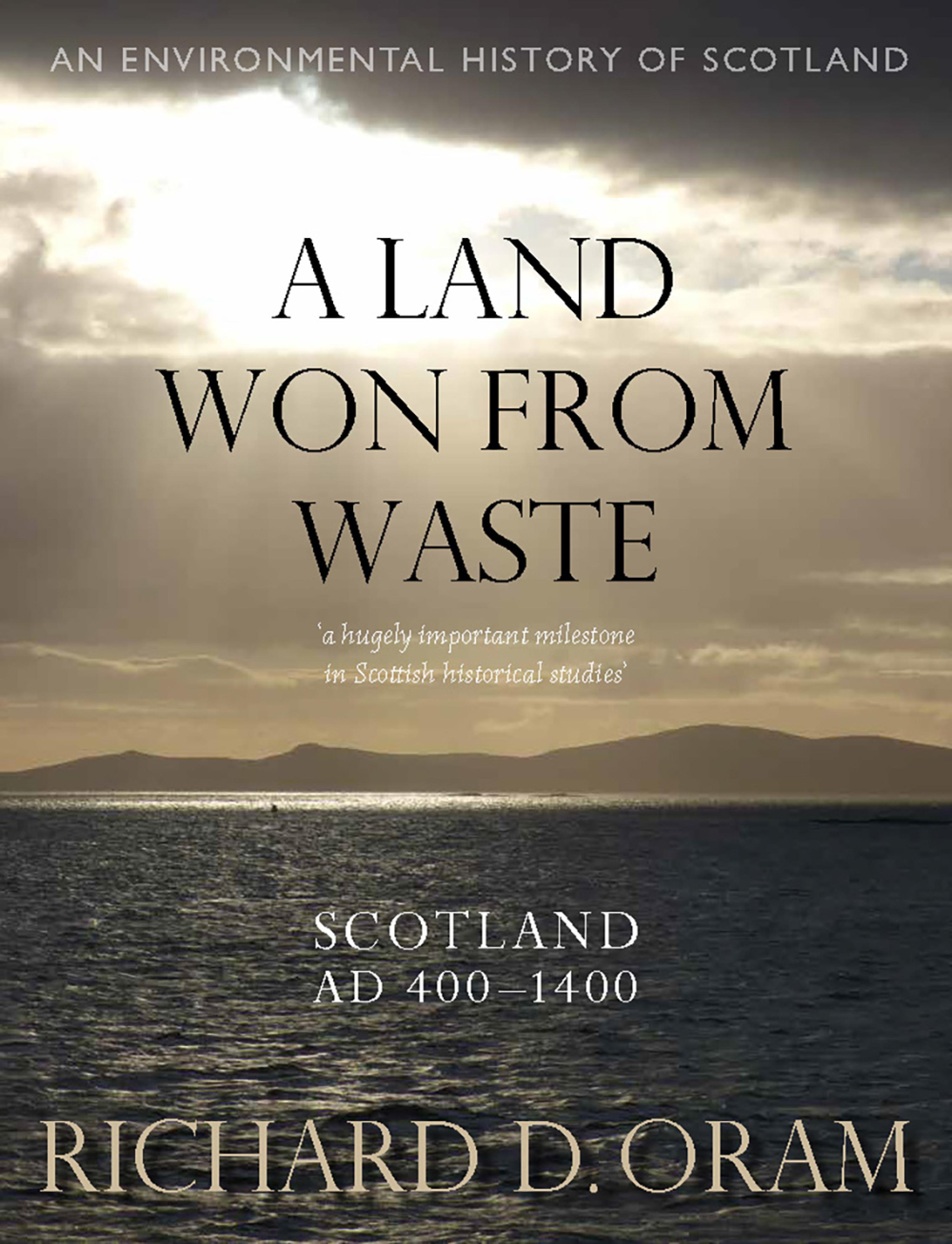
Drawing together the evidence of archaeology, palaeoecology, climate history and the historical record, this first environmental history of Scotland explores the interaction of human populations with land, waters, forests and wildlife.
This volume takes the reader from the climatic highs of the Late Iron Age to the depths of the war-torn and plague-ravaged fourteenth century. Departing from traditional frameworks that divide Scotland's history into periods based on kings' reigns or major political events, discussion instead follows the major shifts in climate that divide these fourteen centuries into epochs, each with its own distinct characteristics. Starting amidst the fields and forests shaped across the eight millennia of Scotland's prehistory, where we encounter the imprint of past generations of hunters and gatherers, farmers and fishermen, as well as the legacies of climate impacts and pathogens, the book explores the depths of the Late Antique Little Ice Age and the long climb back to the 'Golden Age' of the twelfth- and thirteenth-century Medieval Climate Anomaly, to end with the slide through crop-failure, famine, war and disease of what is reputed to be the 'worst century in human history'.
Richard D. Oram gained an MA (Hons) in Medieval History with Archaeology and a PhD in Medieval History, both from the University of St Andrews. He is currently Professor of Medieval and Environmental History at the University of Stirling. A former Director of the Centre for Environmental History and Policy and member of the Historic Environment Advisory Council for Scotland, he is now a Trustee of the National Museums of Scotland.
'Oram has given us a new perspective not just on Scotland's environmental history, but on Scottish history overall. By utilising and combining innovative methodologies and a staggering breadth of sources, he presents us with a magisterial and original account of Scotland and the Scots, as well as vital lessons for our society today and into the future'
'Brings a much-neglected dimension to our understanding of the past, arguing that climactic and environmental change were the backdrop to social, political, religious and cultural change'
'[This series] traces and explains the vast panorama of Scottish experience . . . through successive generations of crises and opportunities, both natural and man-made . . . Its scope and its impact are breathtaking, ambitious and far-reaching'
'A Land Won from Waste is an invaluable addition to Scotland's environmental historical narrative... Oram's work is always extensively researched, yet his language offers accessibility to a wider lay audience'
Versandkostenfreie Lieferung! (eBook-Download)
Als Sofort-Download verfügbar
- Artikel-Nr.: SW9781788857727110164
Bewerten
Ein Blick ins Buch
- Artikelnummer SW9781788857727110164
-
Autor
Richard D. Oram
- Wasserzeichen ja
- Verlag John Donald
- Seitenzahl 576
- Barrierefreiheit
- ISBN 9781788857727