
Beam Shop
Künstliche Kost
Ernährung in Deutschland, 1840 bis heute
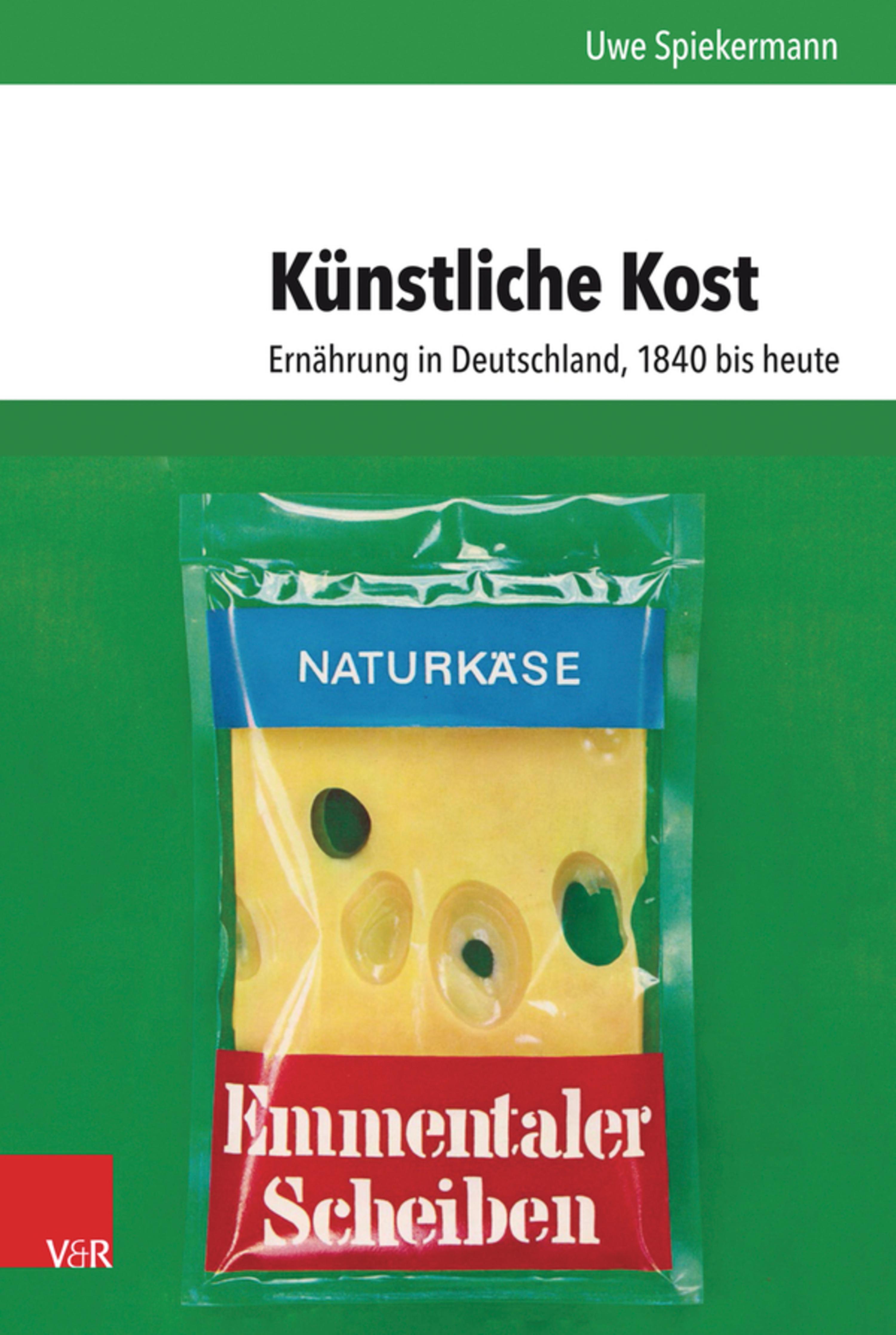
Nutrition was shaped by a paradigm shift in the middle of the 19th century: Food was no longer understood as an integral part of human life and health, but as a combination of nutrients. The new knowledge, propagated by scientists, established a new hierarchy of knowledge to rationalize and improve everyday behavior and traditional eating habits. Science gained control over the human environment, food, and man himself. It helped to improve food production, to explore and to develop new products and markets. New control systems were established, while everyday practices were devaluated. Foodstuffs were increasingly dissociated from their tradition and cultural environment, becoming "artificial." The long shadow of the nutrient paradigm is shaping nutrition until today.This book evaluates the long-term consequences of this new way of thinking and acting. It analyzes the interaction of science, business, and state—all arguing in favor of their idea of modern consumers. In nearly one hundred sub-chapters, it presents the fascinating story of new products, new markets, new security, and new risks and fears linked to nutrition. In Germany, wars and crisis triggered and accelerated changes, while peace periods pushed the circulation of innovations into mass markets. "Artificial food" examines, how speaking on nutrition has changed over the last 180 years, how an ever more complex technology required new forms of advertising, how additives became necessary and how requirements and prohibitions have shaped our daily eating. Those, who know about this history, won't follow easy messages and paroles and will act differently with all foodstuffs, they are incorporating.
Uwe Spiekermann lehrt Wirtschafts- und Sozialgeschichte an der Georg-August-Universität Göttingen.
Versandkostenfreie Lieferung! (eBook-Download)
Als Sofort-Download verfügbar
- Artikel-Nr.: SW9783647317199110164
Bewerten
Ein Blick ins Buch
- Artikelnummer SW9783647317199110164
-
Autor
Uwe Spiekermann
- Mit Christof Mauch, Helmuth Trischler
- Verlag Vandenhoeck & Ruprecht
- Seitenzahl 948
- Barrierefreiheit
- ISBN 9783647317199
- Mit Christof Mauch, Helmuth Trischler
